Dia De Muertos. Once again, La Paz Teaches Me Something Via Celebration
It felt chaotic at the local Chedraui. Christmas stuff was already going up, but there were skeletons everywhere too. Halloween seemed to matter just as much. The first week, I pushed my basket through without thinking. The second week, curiosity hit.
I’ve always known about Día de Muertos, Texan roots and all. My dad, born right on the cusp of October and November, raised in San Antonio, the one who first showed me Mexico, always had calacas and calaveras around the house. Noelle did some research. “We live here now,” she said. “We should embrace it.”
So we decided to build an ofrenda. Deep in my still-wounded heart, alarm bells started up. I’ve lost people close to me in the past few years, too soon. It still hurts. Thinking about it too much feels like reopening a wound.
What an Ofrenda Is
An ofrenda isn’t really an altar in the religious sense. It’s more like a welcome table, a bridge between the living and the dead. In Mexican culture, death isn’t something to hide from or fear. It’s acknowledged, talked to, even teased a little. The ofrenda says, you’re still part of this. You’re still invited to dinner, still remembered in laughter and light. It’s a way to keep relationships alive across time, to show that love doesn’t stop at the edge of life.
Traditionally it’s built at home, layered with meaning. The photos come first. Then candles for light, water for the journey, salt for purification. Marigolds, because their color and scent guide the spirits home. Food and drink, because Mexico, of course food and drink.
Building Our Ofrenda in La Paz
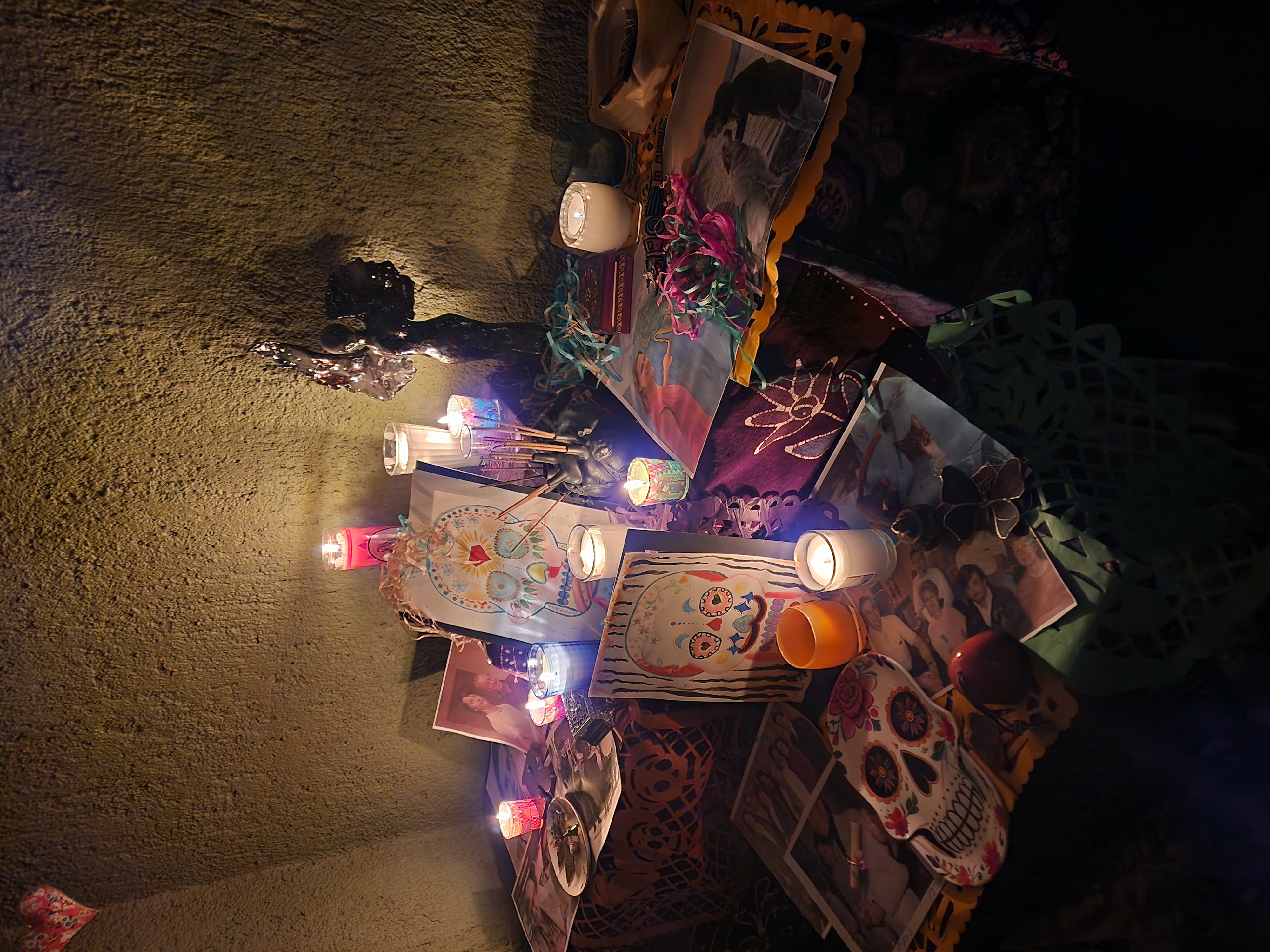
Noelle and I printed pictures of our families, bought pan de muerto, candles, incense, a Coke for her dad, and one for mine too. Turns out they liked a lot of the same things. It brought us closer—to each other, and to the ones we were building the altar for.
The table filled slowly, the way memory does. Candles for light. Water for the long journey. Salt to purify. Marigold petals to guide them home. The pan de muerto sat in the center, soft and sweet, surrounded by photos, mementos, the Coke bottles, and a can of mixed nuts, another mutual favorite of our dads.
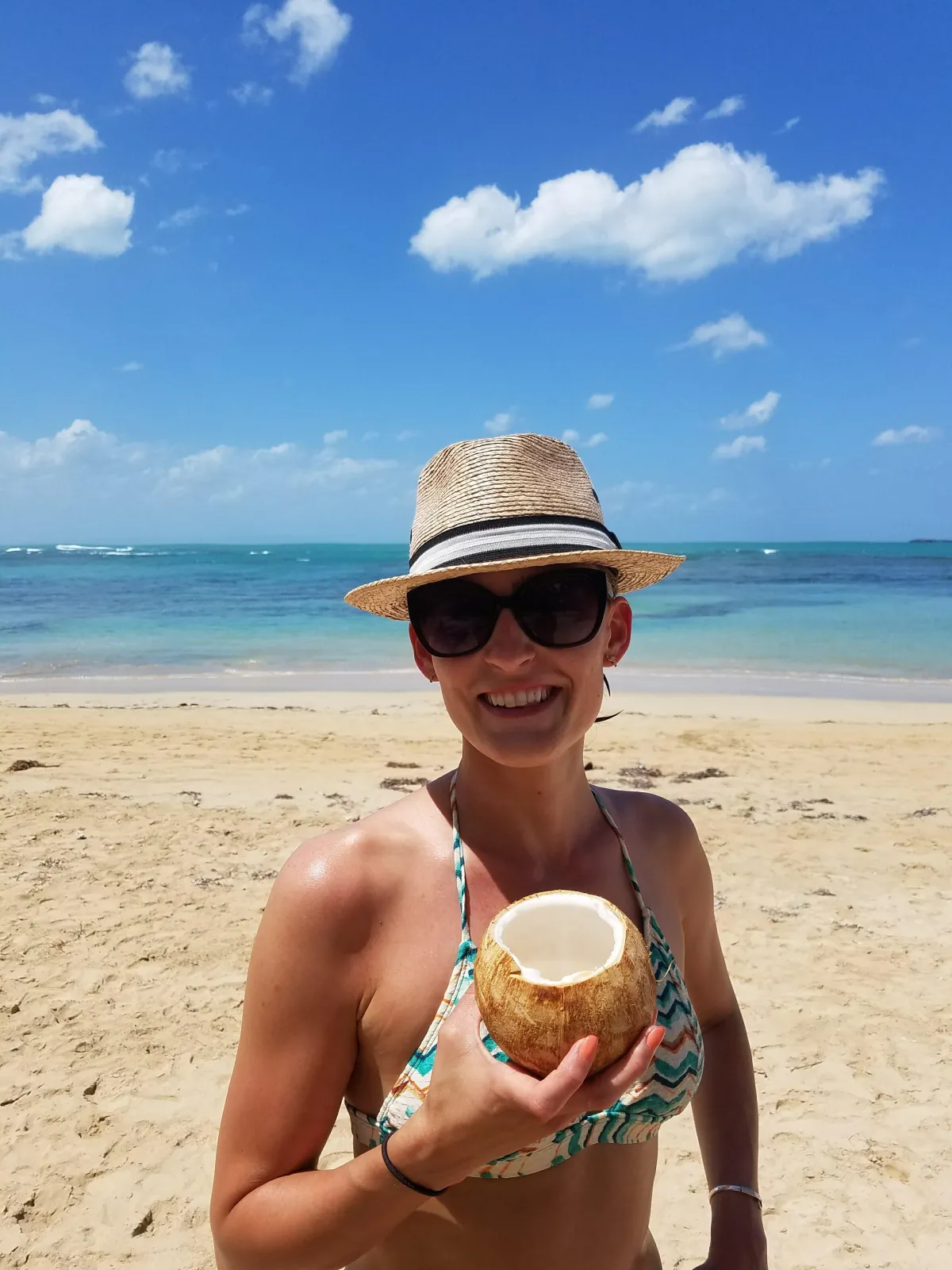
I added a coconut for my wife and some “coco money.” On our early trips to Mexico, we never seemed to have pesos when we saw the coco vendor, so we made it a running joke: “make sure we have coco money,” the shorthand of love that came to mean bring cash.
We built the ofrenda on the front porch of our home, still finding its shape, like our lives here in La Paz and together. The night felt more open, and we felt connected. In some ways it felt like when you get your Christmas tree stuff down out of storage or unpack the menorah—those rituals that open gates to the past and welcome memories. It felt sweet, not sad. It felt like I could sense the ghosts smiling. The alarm bells stopped, and I felt closer, calm.
Día de Muertos Celebration on the Malecón, La Paz
If you’ve read anything about La Paz, you know how family-friendly things are at night on the Malecón, and the Día de Muertos celebration was no exception. People rode on horseback, the horses painted with bones too. Vintage cars had been turned into mobile altars, and pickups with ofrendas in their beds were parked along the street, music playing from their speakers.
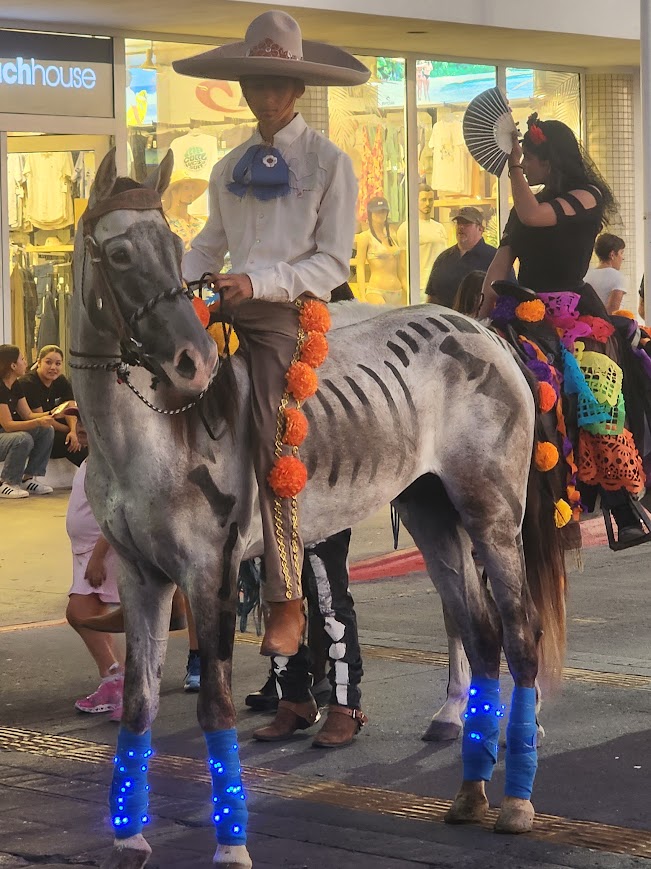
Young children ran by, everyone dressed in calavera face paint and elaborate dresses. The businesses had set up altars on the sidewalks—personal, individual ofrendas that people passing by stopped to admire, often talking with the shop and restaurant owners about who was being honored. Some people added the favorite things of their loved ones: a can of Pacífico, a hat, a bottle of Coke, a book with the pages worn soft. Others kept it simple: one photo, one flower, one flame. One ofrenda was all pets. The altars were as different as the people they remembered, as varied as the memories they celebrated.
La Paz keeps surprising me. It keeps asking me to take a breath. It keeps reminding me that a fast life isn’t always going anywhere. This week it suggested I take a moment and hold memory in my hands, without sadness. This week, La Paz showed me loss and tragedy reframed as happiness and shed some sunlight on a part of my heart I’d been keeping wrapped up. What will next week bring? Here’s to you all finding some sun, and sharing something across boundaries, with people you love too.
be well,
Chris
I work with Dream Baja Realty helping people trade the “maybe someday” and “what-ifs” for “yes, and…” and “what’s next” right here in La Paz and across Baja California Sur. If you’ve been wondering what it really takes to make the move, I’ll walk you through it step by step. You’ll know how to buy safely, which neighborhoods fit your life, and what living here actually feels like day to day.
Hasta Pronto!
☕ [Start with my free Baja Relocation Guide]
🏡 [Browse homes for sale in La Paz]
📅 [Book a quick chat]
Or just email me at [email protected]. Ask me anything—neighborhoods, who can help with visas, the best tacos al gobernador in town. Better yet, let’s grab coffee when you’re here—and if the kitchen’s finally finished, I’ll make the espresso.