
Is La Paz Right for You? What a 1–6 Month Stay Reveals
Living in La Paz Mexico for 1–6 Months: What to Know Before You Commit
If you are considering living in La Paz Mexico for a season, the questions shift quickly from scenery to systems.
A few weeks feels like vacation.
A few months reveals how daily life in La Paz Baja California Sur actually functions.
That distinction matters.
Whether you are exploring a long-term stay in La Paz, testing seasonal living in Mexico, or quietly asking yourself if this could become permanent, clarity comes from understanding trade-offs — not from romanticizing the view.
Do You Need a Car When Living in La Paz Mexico?
It is possible to live in La Paz without a car. Some residents choose that intentionally and build a smaller, more walkable daily radius.
At the same time, La Paz is larger than it appears online. Blocks are long. Distances stretch in heat. Many of the most meaningful outdoor spaces sit outside the central neighborhoods.


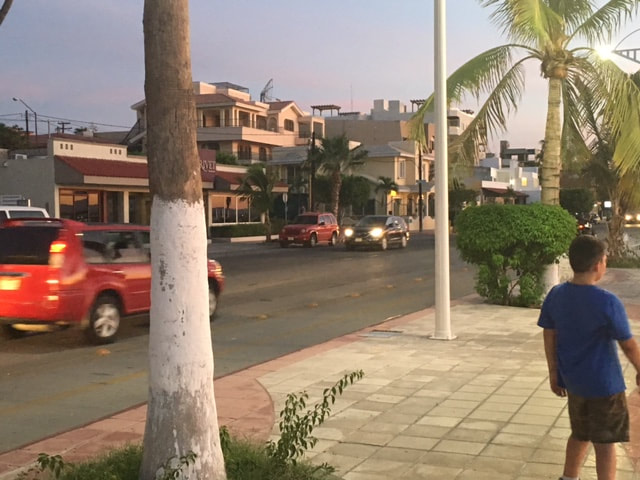
Having a car changes what becomes normal.
Early morning paddle sessions stop being a plan and start being part of the week. A quick swim before work becomes feasible. Hardware runs during a renovation stop feeling like a half-day event.
Driving in La Paz is more relational than rule-bound. Eye contact carries weight. Stop signs operate differently than many Americans expect. One-way streets sometimes only reveal themselves by the direction of parked cars.
You adjust.
For a stay measured in months, a car often increases autonomy. Whether that autonomy supports or distances your integration depends on how you use it. That trade-off is worth considering when planning a long-term stay in La Paz.
Healthcare and Insurance in La Paz Mexico: What Surprises Most Americans
If you are driving here, you need a Mexican auto policy. Many long-stay residents use providers such as Baja Bound and adjust or pause U.S. coverage while away, since most American policies do not extend into Mexico. I chose a policy with Mapfre once I moved into full time living here.
Healthcare in La Paz Mexico operates differently than in the United States, and that difference surprises many people exploring expat life in La Paz.
Routine care is generally accessible and affordable. Many pharmacies have a doctor onsite for minor issues. You are seen quickly, prescribed what you need, and often out the door for less than a typical U.S. copay.
For larger emergencies, private hospitals in La Paz Baja California Sur provide high-quality care, often at costs that remain significantly lower than comparable U.S. services.
Some seasonal residents carry international or Mexican health insurance for predictability. Others self-insure routine care and evaluate catastrophic coverage separately.
Arriving Well means understanding your risk tolerance before you test it.
Where Daily Life Happens: Markets and Neighborhoods in La Paz
Blending in during a long-term stay in La Paz is less about avoiding convenience and more about participating in the broader ecosystem.
Many locals shop at Chedraui. It is practical and part of normal daily life.
Daily rhythms also move through places like:
Mercado Municipal General Nicolás Bravo
Mercado Francisco I. Madero
Corner abarrotes where small purchases turn into repeated conversation
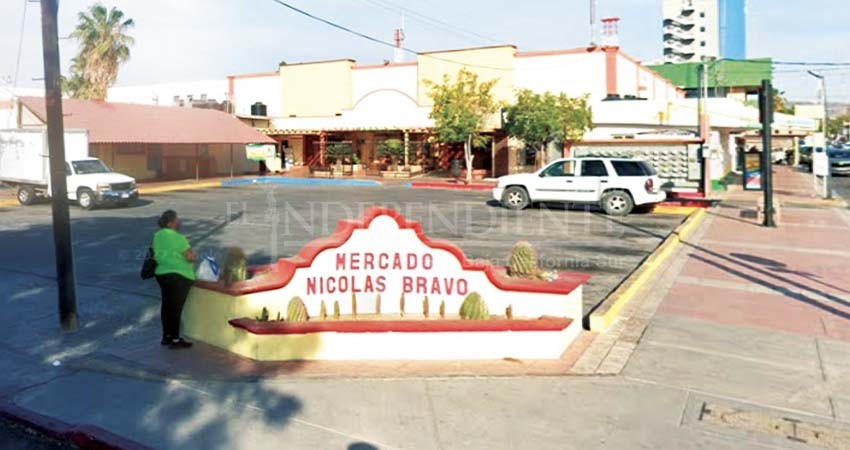

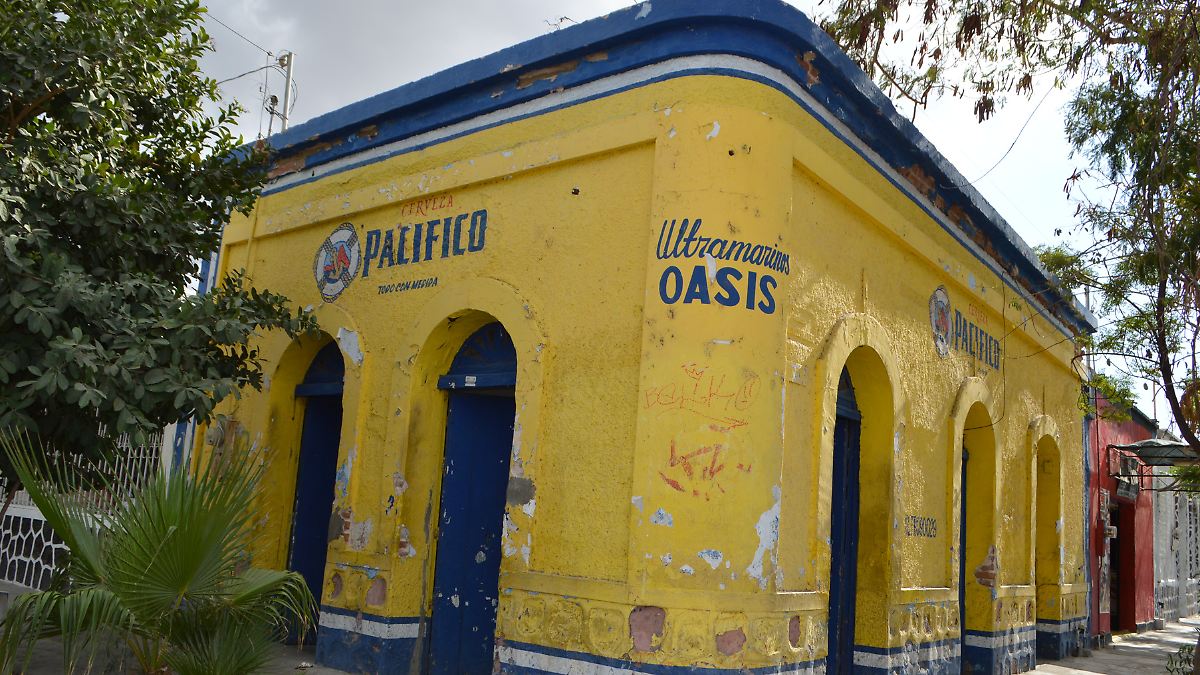
Large stores offer efficiency. Markets offer freshness. Neighborhood shops offer continuity.
Longer stays begin to feel different when you are recognized by name. That recognition is not transactional. It is cumulative.
If you are exploring neighborhoods in La Paz, this daily participation matters more than proximity to a beach photo.
What a Long-Term Stay in La Paz Reveals About Daily Life
Every colonia in La Paz has a personality. In neighborhoods like Pueblo Nuevo, where I call home, daily life includes elements that are often absent from U.S. suburbia.
I sweep my part of the sidewalk and street, chat with Doña Roxana, get to know my neighbors. But also, its important to note:
Chickens are audible. Church bells mark time. Dune buggies occasionally pass late at night. Holiday gatherings can include live music that carries through open windows.
This is not dysfunction. It is density and celebration sharing space.
If you have lived in active urban neighborhoods before, this feels familiar. If you are used to insulated quiet, it can require adjustment.
There are also practical lessons that only appear over time. In summer, capturing AC runoff to water plants feels efficient and sustainable. In cooler months, when the AC runs less, those same plants still need manual care.
Living in La Paz Mexico for several months means noticing seasonal shifts, not just scenic ones.
Blending In Without Reshaping the Place
One of the most thoughtful questions I hear from people moving to La Paz Mexico is how to live here without unintentionally reshaping it.
Blending in is less about optics and more about posture.
It means learning names. Practicing Spanish, daily, imperfectly. Observing how systems function before proposing improvements. Spending locally. Accepting that timelines may operate differently.
La Paz Baja California Sur moves at a distinct cadence. That cadence is part of its appeal. It is also part of the trade-off.
Seasonal living in Mexico is not for everyone. Some people experience the slower pace as freedom. Others experience it as friction.
Clarity about which group you fall into is more important than enthusiasm.
A Final Perspective
A 1–6 month stay is long enough to move beyond novelty.
You begin to see how infrastructure works, how neighborhoods sound, how far you actually travel in a week, and how your habits either adapt or resist.
If you are considering living in La Paz Mexico with an eye toward something longer-term, the goal is not to romanticize the place or critique it. The goal is to understand it.
Clarity first. Commitment second.
If you want to think through neighborhoods, logistics, and the practical realities of a long-term stay in La Paz before making a bigger decision, that is a worthwhile conversation to have. I'm open.