Optimism Bias When Moving Abroad | Avoid Overconfidence Before Buying Property Overseas
In 1999, I moved to Belize with the kind of confidence only a man in his twenties with a plan and a plane ticket can possess. I was going to open my own restaurant. And I was going to wear cargo shorts and a tape measure and get up every morning and ride my bike over to the site and help.
I needed to wait to establish residency, so I used that time to build it from the ground up. On paper, it made sense. I had restaurant experience. I had vision. I had just enough savings to be dangerous.
I also made almost every classic mistake available to me.
At one point I handed a contractor a fairly large sum of money. He told me he was sailing to the mainland to get materials. Palapa poles. Thatch. The works.
Several days later, a friend casually mentioned seeing him at a casino on the mainland. When he finally called, he delivered an elaborate story involving a shipwreck and being forced to eat an armadillo to survive.
my friend, I wanted to believe him. I kid you not, and, to be fair, as someone raised in Texas I was briefly more curious about what armadillo tasted like than about where my money had gone. Not because I was an idiot. Because I was invested. I had already told the story of my future success to too many people. I needed momentum to be real.
It is funny now. It was not funny when I was calculating how many armadillos equaled my operating budget.
I could blame that chapter on corruption or bad luck. The more honest version is simpler. I filtered everything through my own lens and called it insight. I mistook enthusiasm for due diligence. I assumed that because I meant well, things would bend toward competence.
What I have now, in abundance, is hindsight, and a few great stories. And a lot of rewarding experiences.
What I lacked at that time was structure.
I have seen the same pattern play out in smaller, less dramatic ways. A friend recently wrangled me into doing something I would have preferred to decline. As we walked, he mentioned how someone else had not been able to make an appointment because they had overbooked, and that, in his words, "Mexicans really hate to say no directly."
"I feel very Mexican right now," I replied, with a hint of (unnoticed) snark.
Not as a punchline, but as confession. I have always imagined that in a new country, a new chapter, I would somehow become the kind of person who could say no cleanly and early, instead of smiling and hoping the situation would correct itself.
Turns out, no matter where I go, there I am. Usually smiling. occasionally overcommitting.
In many cultures, including ones I love, harmony often wins over blunt refusal. In that moment, I was not the victim of that dynamic, I was the engine of it. I had volunteered politeness where clarity was required and then acted surprised when the commitment stuck. Again.
Relocation decisions are rarely made without hope.
Hope is not the problem.
The problem is what psychologists call optimism bias. The quiet belief that future you will be more disciplined, more patient, more flexible, and generally more evolved than present you has ever managed to be.
I assumed I would wake up earlier in a new climate. Be more patient with slower systems. Tolerate noise because the view was better. Walk farther because it felt romantic. Spend less because the cost of living looked lower on paper.
Become someone who could say no.
And if you are honest, you may have run a similar script.
Sometimes that version of you shows up. Often he does not.
Why Optimism Bias Matters in Relocation and Moving Abroad Decisions
In moving abroad research and real estate research before buying, optimism bias hides in respectable places.
Spreadsheets. Projections. Mood boards. Conversations that begin with "We can make that work."
I read about infrastructure challenges and told myself I was adaptable. I heard about bureaucracy and assumed I would treat it as character building. I noticed distance from services and believed I would not mind driving because I was, after all, very laid back.
You may recognize some of that logic in your own planning.
Desire edits the data.
This does not make you foolish. It makes you human. I say that as someone who once budgeted for armadillos.
But when optimism bias goes unnamed, research becomes reassurance instead of evaluation.
Brilliant Hindsight, Repeated Patterns
After difficult relocations, people often say the same things.
I should have rented first. I should have visited in a different season. I should have asked more locals. How did I just trust Facebook people? I should have paid attention to daily logistics instead of sunsets. But, no, for real; the sunsets are DIS TRAC TING!
That is hindsight talking.
The real issue is that nothing changed about how the decision was structured.
Insight without structure produces repetition. You can be very self-aware and still repeat the same mistake if the guardrails are missing. If you want a different outcome, you need more than reflection. You need constraints.
How to Avoid Overconfidence When Relocating Abroad
Optimism bias cannot be eliminated. It can be managed. A few practical guardrails in ethical relocation and buying property abroad responsibly:
Commit to renting for a minimum period before purchasing.
Visit during an inconvenient season, not just the one with perfect light.
Write down your non-negotiables and revisit them after the honeymoon phase fades.
Ask what would make you leave, not just what makes you stay.
These pauses are not signs of doubt. They are signs that you are trying not to hand the next contractor your armadillo fund.
I once heard a real estate agent say that people routinely buy bigger houses than they need because they are convinced all their friends will visit. "We’ll need the extra rooms," they say. I smiled and looked away when I heard that because I had quietly done the same math while renovating my own house. Extra beds. Good mattresses. Plenty of space. In my head I could already see the revolving door of houseguests.
Was that optimism bias again? Probably.Maybe. My friends all really love me! Right?
Since Christmas I have had houseguests almost continuously. The extra space has been used. The beds have been filled. Apparently all that hospitality I practiced earlier in life has come back to haunt me in the best possible way. I dd the research and I showed up with optimism and it turned out right.
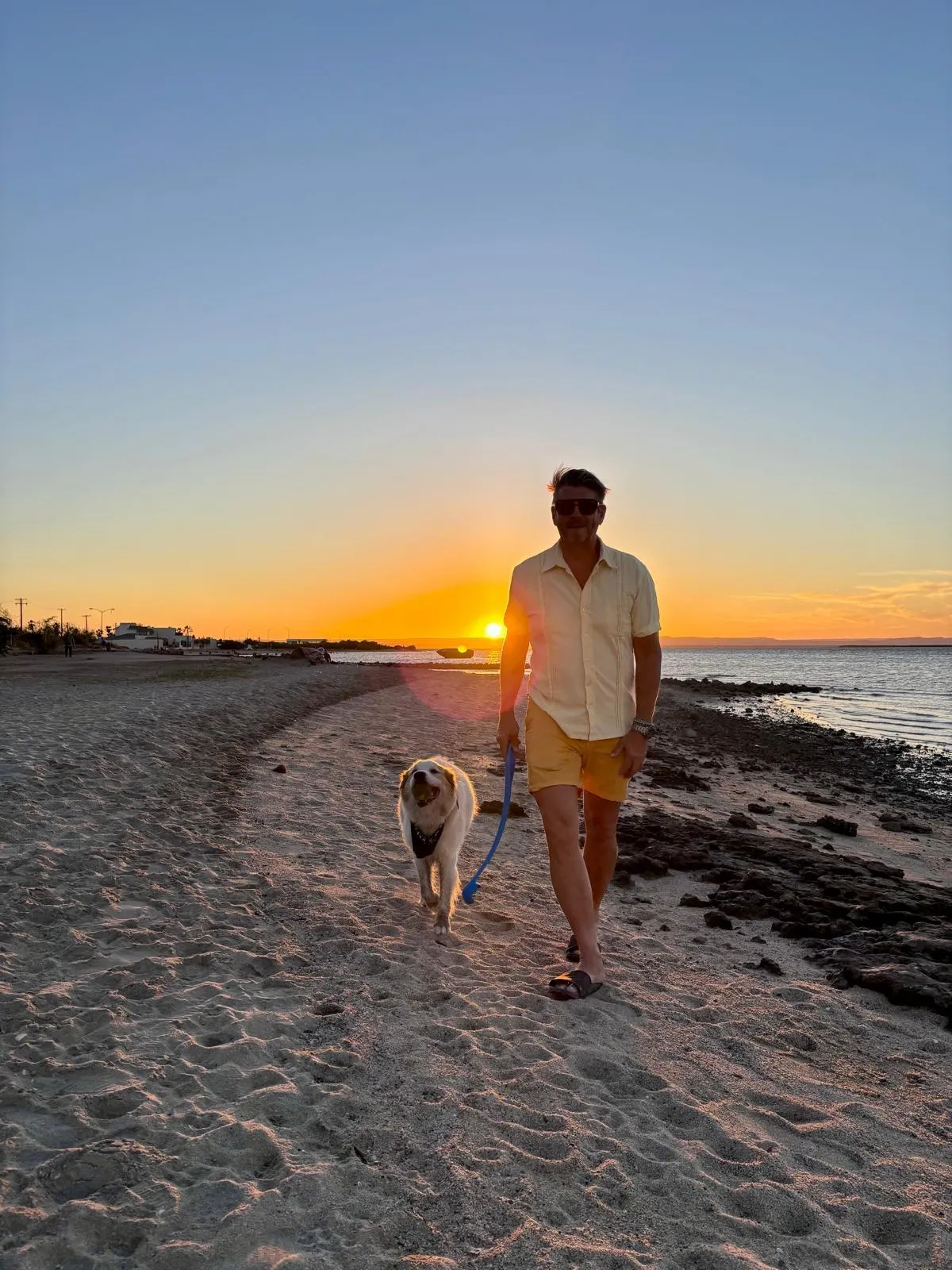
And I do feel like I didn't expect this many friends and family. I joke about it, but of course I genuinely love it. Showing people La Paz for the first time, watching them see the light change at sunset or taste Curricanes or realize the water really is that color, that has become one of my favorite parts of living here.
Optimism does not always betray you. Sometimes it turns out to be accurate. The difference is not luck. It is whether the optimism is anchored to something real, or floating on a version of yourself that has not yet been tested.
Research Is Not the Same as Readiness
Real estate research before buying can tell you what is possible.
It cannot tell you what is sustainable for you. That distinction is where most overconfidence hides.
If you are using my portal while researching where to live abroad, use it as a laboratory, not a launchpad. Observe patterns over time. Watch what lingers. Notice what disappears quickly. Compare seasons. Let data accumulate before emotion accelerates.
There is no penalty for looking carefully.
Nothing breaks if you move slowly.
The Role of a Thinking Partner
This is often the stage when conversations deepen.
Not because someone is ready to make an offer, but because they are starting to suspect that future them might be a little overpromised. My role is not to dampen enthusiasm. I like enthusiasm. I built a restaurant on it.
My role is to ask whether the story you are telling about your future life has structure underneath it.
A translator between curiosity and commitment does not remove optimism. He helps install guardrails before the armadillos show up on the menu.
Optimism is powerful.
So is discipline.
The goal is not to eliminate hope.
It is to pair it with enough humility and structure that arrival becomes sustainable, not just cinematic.
And if I am honest, I am still working on it.
I no longer hand large sums of money to contractors with survival stories about armadillos. I do, however, still say yes to more houseguests than any rational square footage calculation would recommend.
The armadillos were expensive. The houseguests are joyful. And my inability to say no has simply upgraded its scenery.
Turns out optimism is not the villain. It just needs supervision. Preferably from someone who has learned, the long way around, that good stories are not the same thing as good structure.
I still believe in big plans. I just believe in structure around the story now too. Tell me yours.